 Business Blog
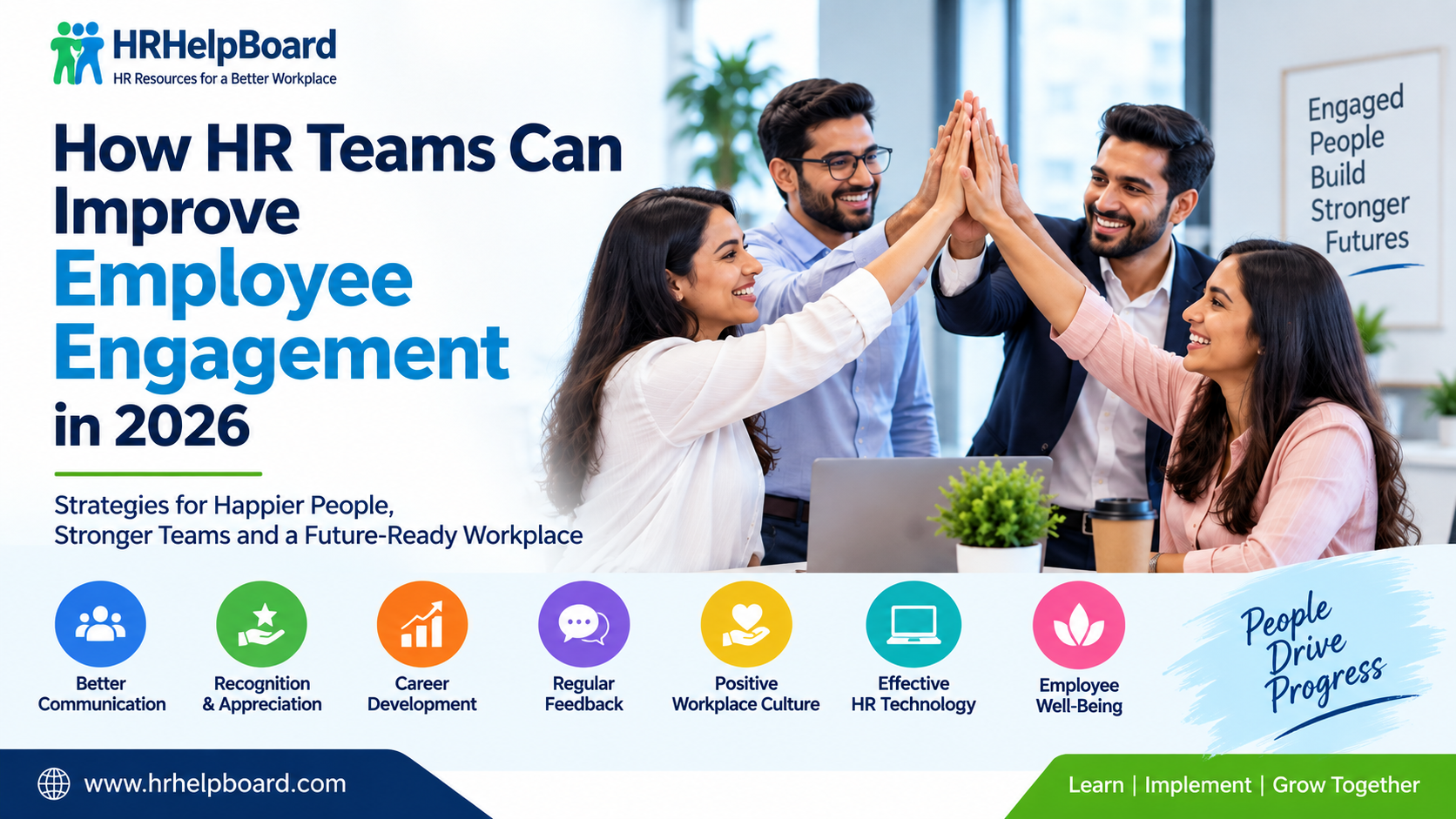
How HR Teams Can Improve Employee Engagement in 2026
Employee engagement is essential for building productive and supportive workplaces. This guide explores practical strategies HR teams can use in 2026 to strengthen communication, recognition, career development, feedback, onboarding, and workplace culture.
Employee engagement continues to be an important focus for organizations that want to create productive, supportive, and people-focused workplaces. Employees are more likely to contribute effectively when they understand their responsibilities, receive meaningful feedback, have opportunities to develop their skills, and feel that their contributions are valued.
For HR teams, improving employee engagement requires more than organizing occasional activities or employee events. It involves creating consistent workplace practices that support employees throughout their employment journey.
What Is Employee Engagement?
Employee engagement refers to the level of connection, involvement, and commitment employees have toward their work and organization. An engaged employee generally understands how their role contributes to organizational objectives and feels encouraged to participate actively in workplace activities.
Engagement can be influenced by several factors, including leadership, communication, recognition, career development, workplace culture, performance management, and opportunities to provide feedback.
1. Improve Workplace Communication
Clear communication is one of the foundations of employee engagement. Employees need access to relevant information about organizational priorities, workplace policies, responsibilities, and changes that may affect their work.
HR teams can encourage effective communication through regular team meetings, employee newsletters, internal announcements, one-to-one discussions, surveys, and feedback sessions.
Communication should also work in both directions. Employees should have appropriate opportunities to ask questions, share suggestions, and raise workplace concerns.
2. Build an Effective Onboarding Process
Employee engagement begins before an employee becomes fully established in their role. A structured onboarding process can help new employees understand the organization, their responsibilities, workplace expectations, and available resources.
HR teams can provide new employees with important documents, introduce them to their colleagues, explain company policies, and arrange regular check-ins during the early stages of employment.
A positive onboarding experience can help employees become familiar with their workplace and responsibilities more effectively.
3. Recognize Employee Contributions
Employees appreciate knowing that their work and contributions are noticed. Recognition can therefore become an important part of an employee engagement strategy.
Recognition does not always need to involve financial rewards. Managers can acknowledge achievements through appreciation messages, team announcements, certificates, awards, or opportunities to participate in important projects.
Recognition should be genuine and connected to specific employee contributions.
4. Provide Career Development Opportunities
Career development can have a significant influence on how employees view their future within an organization. Employees may become more engaged when they can see opportunities to learn new skills and progress professionally.
HR teams can support development through training programs, mentoring, coaching, career discussions, skill-development initiatives, and internal mobility opportunities.
Managers can also discuss career goals with employees and identify skills that may help them progress toward their professional objectives.
5. Encourage Regular Feedback
Feedback should not be limited to an annual performance review. Regular conversations between managers and employees can provide opportunities to discuss progress, challenges, achievements, and development needs.
Constructive feedback can help employees understand what they are doing well and where improvement may be needed.
HR teams can support managers by providing guidance and training on effective feedback and performance conversations.
6. Listen to Employees
Employee feedback can provide valuable information about workplace experiences. Organizations can use employee surveys, pulse surveys, suggestion systems, focus groups, and one-to-one conversations to understand employee concerns and expectations.
However, collecting feedback is only the first step. Organizations should review the information and communicate appropriate actions where possible.
When employees understand that their feedback is being considered, it can help strengthen communication and trust within the workplace.
7. Create a Positive Workplace Culture
Workplace culture influences how employees interact with colleagues, managers, and the organization as a whole. A respectful and inclusive workplace can provide a stronger foundation for employee engagement.
HR teams can contribute by establishing clear workplace policies, supporting professional behavior, providing manager training, and creating appropriate channels for employees to raise concerns.
Managers also have an important role because employees often experience workplace culture through their everyday interactions with their teams.
8. Support Employee Well-Being
Employee well-being is another important part of the overall employee experience. Organizations can review workload, working arrangements, leave practices, workplace support, and communication processes to identify areas that may require improvement.
HR teams should also make sure employees know about available workplace resources and support programs.
A supportive approach can help employees manage their responsibilities while maintaining a sustainable work environment.
9. Use HR Technology Effectively
Technology can simplify many HR processes and improve the employee experience. Organizations can use HR technology for recruitment, onboarding, employee records, leave management, performance management, training, employee communication, and feedback collection.
The objective should not simply be to introduce more technology. HR teams should select tools that make processes easier for employees and managers while providing useful information for HR decision-making.
10. Measure Employee Engagement
Organizations can use different sources of information to understand engagement trends. Employee survey results, turnover data, absenteeism patterns, training participation, onboarding feedback, internal promotions, and exit interview information can provide useful insights.
HR teams should review these indicators regularly and identify areas where workplace practices can be improved.
For HR professionals looking for practical resources, templates, workplace guides, and HR information, HRHelpBoard provides resources covering a wide range of human resource and workplace topics.
The Role of Managers in Employee Engagement
HR departments can establish engagement programs and workplace policies, but managers have an important influence on employees' everyday experiences.
Managers can support engagement by communicating clearly, recognizing contributions, providing feedback, listening to employees, supporting professional development, and helping team members understand organizational priorities.
Training managers in communication, coaching, feedback, recognition, and conflict management can therefore strengthen an organization's broader employee engagement strategy.
Conclusion
Employee engagement is an ongoing process rather than a one-time HR initiative. Organizations can strengthen engagement by improving communication, creating effective onboarding experiences, recognizing employee contributions, supporting career development, encouraging feedback, and building a positive workplace culture.
HR teams should regularly listen to employees and use workplace information to understand changing needs. By combining people-focused practices with appropriate HR technology and strong management support, organizations can create an employee experience that encourages participation, development, and meaningful contribution.
Related Articles
View All Business Blog
How Businesses Can Accept Crypto Payments Without Building a...
The article explains why accepting crypto payments requires more than a wallet a...
How a Call Center in Toronto Helps Businesses Improve Custom...
Call Center in Toronto
 Business Blog
Smart Inventory Management for Modern Businesses
Discover how smart inventory management software helps businesses track stock, m...
0 Comments
Leave a Comment
No comments yet — be the first to share your thoughts!