Zomato Clone: Turning Empty Restaurant Hours Into a New Revenue Opportunity
At 3:30 p.m., a restaurant kitchen may be quieter than it was at lunchtime. Equipment is available, staff are already on-site, ingredients may still be in stock, and the next major rush is hours away. Yet the restaurant continues to carry operating costs.
For a food-tech entrepreneur, this creates an interesting business question: what if a food delivery marketplace could generate demand during the hours when participating restaurants have spare capacity?
This is a different way to approach the Zomato Clone business opportunity. Rather than entering the market with another application competing for popular dinner orders, an entrepreneur could build a marketplace that helps restaurants sell more during underutilised periods.
The opportunity is not simply about delivering food. It is about connecting available kitchen capacity with customers whose ordering habits do not follow conventional meal times.
1. Build a Marketplace Around Time-Sensitive Demand
Traditional food delivery businesses often concentrate their marketing efforts around lunch and dinner. That creates predictable peaks, but it can also intensify competition for customers, restaurant attention, and delivery partners.
A startup could explore a different model by identifying local demand for afternoon snacks, late working lunches, shift-worker meals, or early evening food orders.
For example, a business district might have employees working staggered shifts, while nearby restaurants experience a drop in orders after lunch. A targeted marketplace could promote suitable menus during that period and connect participating restaurants with customers who need convenient meals outside standard lunch hours.
The business would need to validate demand through local research and pilot campaigns. However, this approach creates a clearer market proposition than launching a general food ordering platform without a defined reason for customers to switch.
2. Sell Restaurant Capacity, Not Just Restaurant Listings
A restaurant catalogue is easy to understand, but a marketplace becomes more commercially interesting when it solves a specific problem for its supply partners.
Instead of onboarding restaurants simply to increase the number of listings, a startup could identify businesses with spare production capacity, suitable menus, and delivery-ready operations.
Participating restaurants might offer a limited selection of dishes during selected time windows. The marketplace could highlight those options to nearby customers through time-based promotions or curated menus.
This model requires careful coordination. Restaurants must maintain food quality, manage preparation times, and avoid accepting more orders than their kitchens can fulfil.
For the platform operator, the advantage is a more purposeful restaurant network. Each partnership supports a defined demand strategy rather than contributing to catalogue size alone.
3. Create Revenue Through Better Demand Distribution
The commercial opportunity depends on whether additional orders generate sufficient contribution after food preparation, delivery, promotions, and platform costs.
A Zomato Clone business could test several revenue mechanisms:
- Order commissions: Earn an agreed percentage on eligible marketplace transactions.
- Sponsored time slots: Offer restaurants paid visibility during selected periods, where this provides measurable value.
- Scheduled meal orders: Support advance orders for workplaces, training centres, or other recurring customer groups.
- Business meal programmes: Explore recurring arrangements with employers or organisations that need food for staff.
These options should be introduced based on actual demand rather than assumed profitability. For instance, sponsored placement has limited value if a restaurant receives visibility but no additional profitable orders.
The central business metric should be incremental contribution: how much additional value the platform and restaurant generate after accounting for the costs of fulfilling those extra orders.
4. Use Data to Identify the Next Opportunity
The business model becomes more defensible when the operator learns which combinations of location, time, menu, and customer type generate repeatable demand.
Imagine a pilot that reveals strong afternoon ordering near a commercial district but weak demand in surrounding residential areas. Instead of expanding the same promotion everywhere, the operator can adjust restaurant partnerships, delivery coverage, and marketing spend around the stronger location.
Useful indicators include orders by time window, repeat purchase rates, restaurant acceptance rates, average preparation time, delivery cost per order, and cancellation rates.
These insights can guide expansion decisions and help prevent the business from spending heavily on locations where demand remains unproven.
A food delivery platform should therefore support operational reporting and order management from the beginning. Data is not merely a dashboard feature; it helps determine where the business should invest next.
5. Why the Right Technology Matters
Testing this model requires coordinated ordering, restaurant availability, menu updates, payments, and delivery assignments. Managing these activities manually becomes difficult as the number of participating restaurants and orders increases.
A customisable Zomato Clone solution can provide a starting point through customer ordering, restaurant management, delivery partner workflows, and an administrative dashboard.
SpotnEats offers food delivery software solutions for businesses looking to establish their own branded platforms. Entrepreneurs can evaluate the available capabilities and determine which customisations are needed for a time-based marketplace strategy.
The sensible approach is to begin with a small pilot, validate the economics, and expand the feature set as the operating model develops.
Conclusion: Find the Orders Others Aren't Designed to Pursue
A new food delivery business does not have to win by offering the largest restaurant selection or the deepest discount. It can explore opportunities created by mismatches between customer demand and restaurant availability.
Turning underutilised kitchen hours into additional profitable orders is one possible strategy. Its success depends on local customer behaviour, restaurant participation, delivery economics, and consistent execution.
Related Articles
View All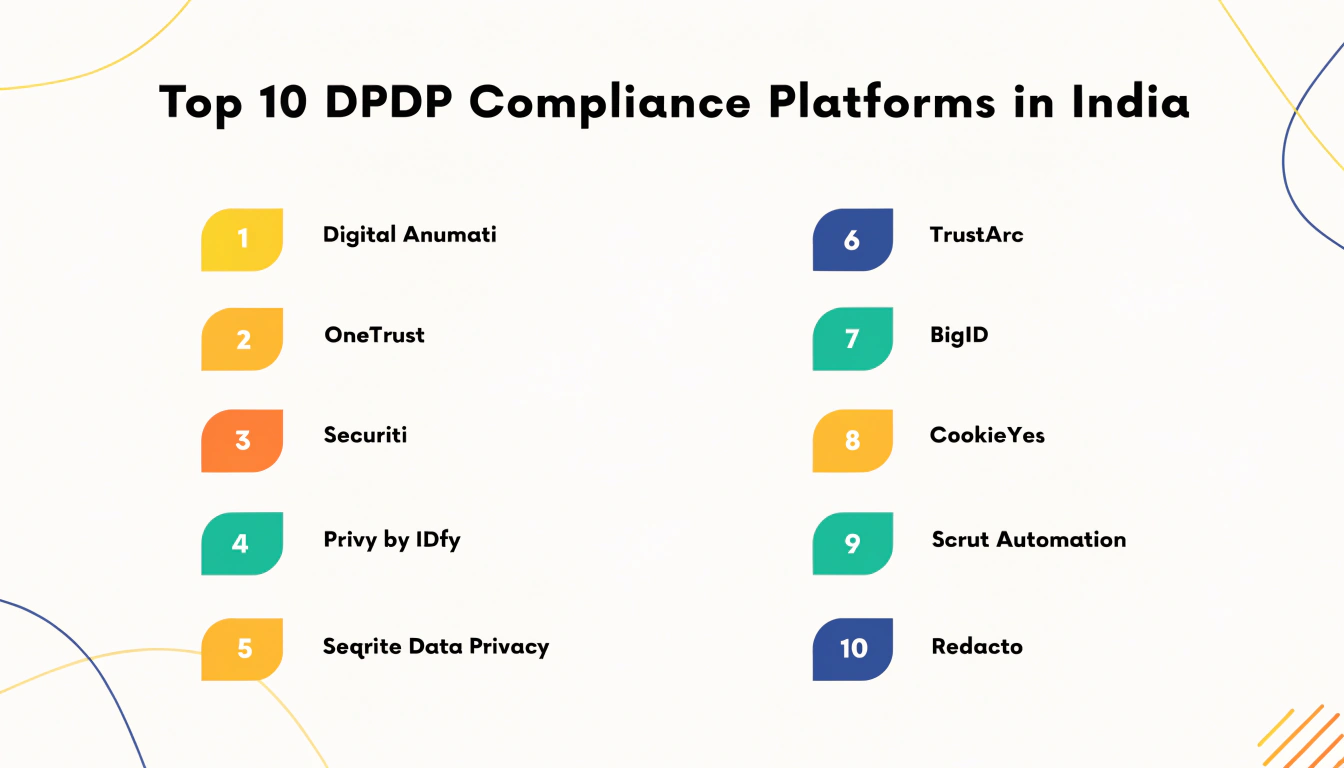 Business Blog
Top 10 DPDP Compliance Platforms in India
DPDP compliance platforms help organisations manage personal data and privacy re...
 Business Blog
Higher Education Feasibility: Assessing Enrollment Potential...
India's higher education system has expanded substantially over the past decade,...
 Business Blog
🎃 Something Big Is Going On-Chain This Halloween
Have a blockchain idea but don't know where to start? BlockchainAppsDeveloper...
0 Comments
Leave a Comment
No comments yet — be the first to share your thoughts!