 Tech Blog
Why Companies Fail to Get Accurate Results From AI :The AI Isn't Broken. Your Data Is
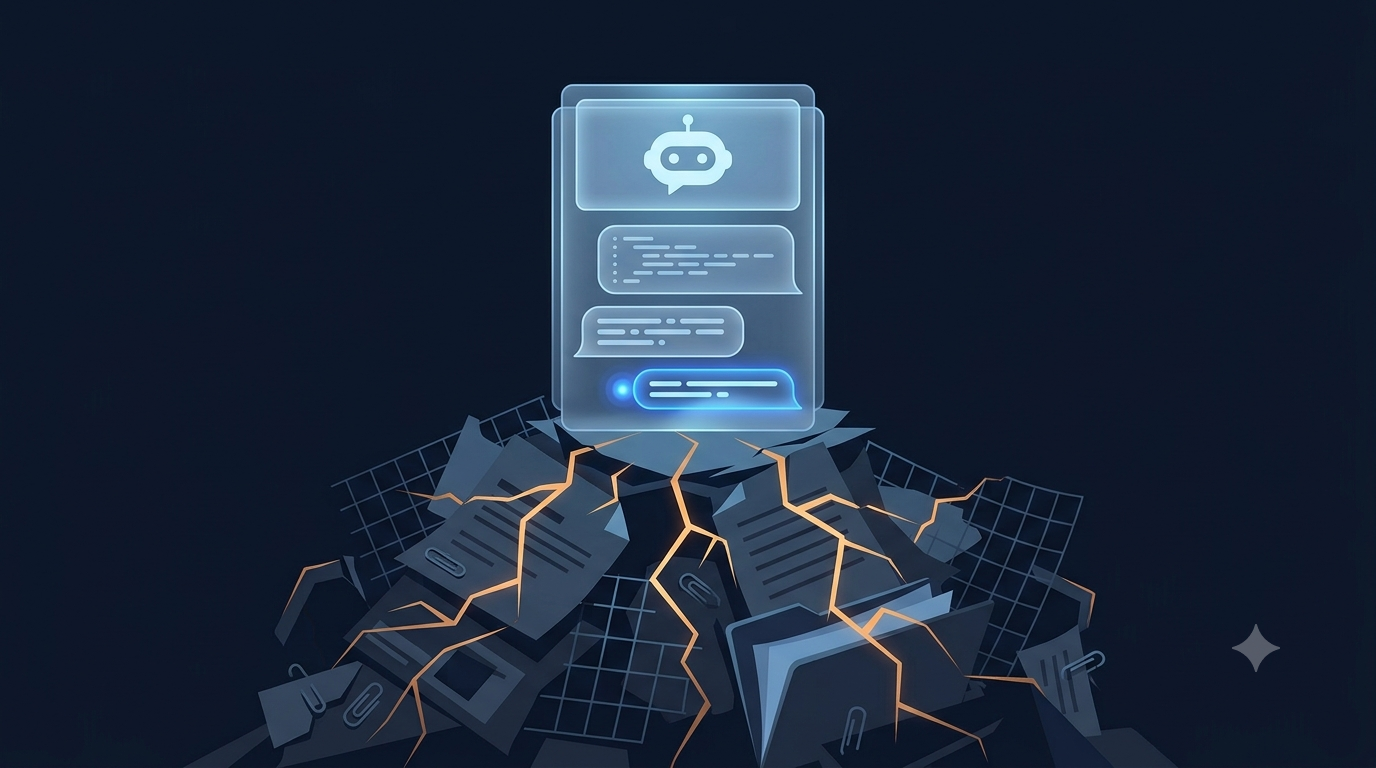
Most companies don't actually have an AI problem. They have a foundation problem that AI simply makes visible. When a chatbot, knowledge assistant, or automation tool gives wrong or inconsistent answers, the instinct is to blame the model — switch to a "smarter" one, tweak prompts, upgrade the plan. In most cases, though, the model was never the real weak link. The data was never accurate to begin with. AI doesn't invent knowledge it retrieves and rephrases what already exists in a company's
Most companies don't have an AI problem. They have a foundation problem that AI simply makes visible.
When a business rolls out an AI system—a chatbot, a knowledge assistant, or an automation tool—and it gives wrong or inconsistent answers, the instinct is to blame the model. Switch to a "smarter" one. Add more prompts. Buy a bigger plan.
But in most cases, the model was never the weak link. Here's what actually goes wrong, and why it keeps happening.
1. The Data Was Never Accurate to Begin With
AI doesn't invent knowledge. It retrieves and rephrases what already exists in a company's documents, wikis, and databases. If that source material is outdated, contradictory, or simply wrong, the AI will confidently repeat the mistake.
A support policy that changed six months ago but was never updated in the internal wiki. Three different versions of the same document, each slightly different, sitting in three different folders. A pricing sheet nobody remembers to archive.
None of this is an AI failure. It's a data hygiene failure that existed long before AI arrived. AI just makes it visible, fast, and at scale.
2. Nobody Defined What "Accurate" Actually Means
Accuracy sounds like an obvious goal until you try to measure it.
- Accurate compared to what—the latest policy, or the one most employees are used to following?
- Accurate down to the exact wording, or accurate in meaning?
Most companies skip this step entirely. They deploy an AI system, wait for complaints, and only then start defining what a "correct" answer even looks like.
By that point, trust in the system is already damaged. Accuracy needs a clear definition and a way to test against it before launch, not after.
3. The System Wasn't Given the Right Boundaries
A common mistake is assuming AI should be able to answer anything, using everything.
In reality, the best-performing systems are narrow on purpose. They're scoped to:
- Specific document sets
- Specific use cases
- Specific types of questions
When a system is allowed to pull from every source at once—old and new, relevant and irrelevant, verified and unverified—it has no way of knowing which source to trust more.
The result looks like an accuracy problem. It's actually a scope problem.
4. There Was No Human Verification Loop
Companies that get the best results from AI don't treat it as a fully autonomous decision-maker. They treat it as a fast first draft that a human checks, especially for anything high-stakes:
- Compliance
- Legal
- Financial
- Customer-facing answers
Skipping this step doesn't just create occasional wrong answers. It removes the feedback loop that would have caught and corrected those wrong answers early, before they became a pattern users stopped trusting.
5. Success Was Measured by Adoption, Not Outcomes
It's tempting to call an AI rollout successful because employees are using it.
But usage isn't the same as value.
A tool people open every day but don't fully trust, and quietly double-check elsewhere, isn't actually saving anyone time—it's adding a step.
The companies that get this right track outcomes instead:
- Fewer support escalations
- Faster resolution times
- Less time spent searching
Adoption numbers alone tend to hide the real problem until it's much harder to fix.
The Real Fix Isn't a Better Model
Most companies chasing "more accurate AI" are solving the wrong layer of the problem.
Before touching the model, the real questions are:
- Is the underlying data actually correct and current?
- Is the system scoped to a specific, well-defined task?
- Is there a clear definition of what a correct answer looks like?
- Is a human checking high-stakes answers before they matter?
- Are you measuring real outcomes, not just usage?
Get those right, and even a modest AI system performs well.
Skip them, and even the most advanced model will confidently produce the wrong answer because it was only ever as good as what it was given.
Related Articles
View All Tech Blog
How to Build AI-Ready Software Without Rebuilding Your Exist...
Businesses do not always need to rebuild their existing software to benefit from...
 Tech Blog
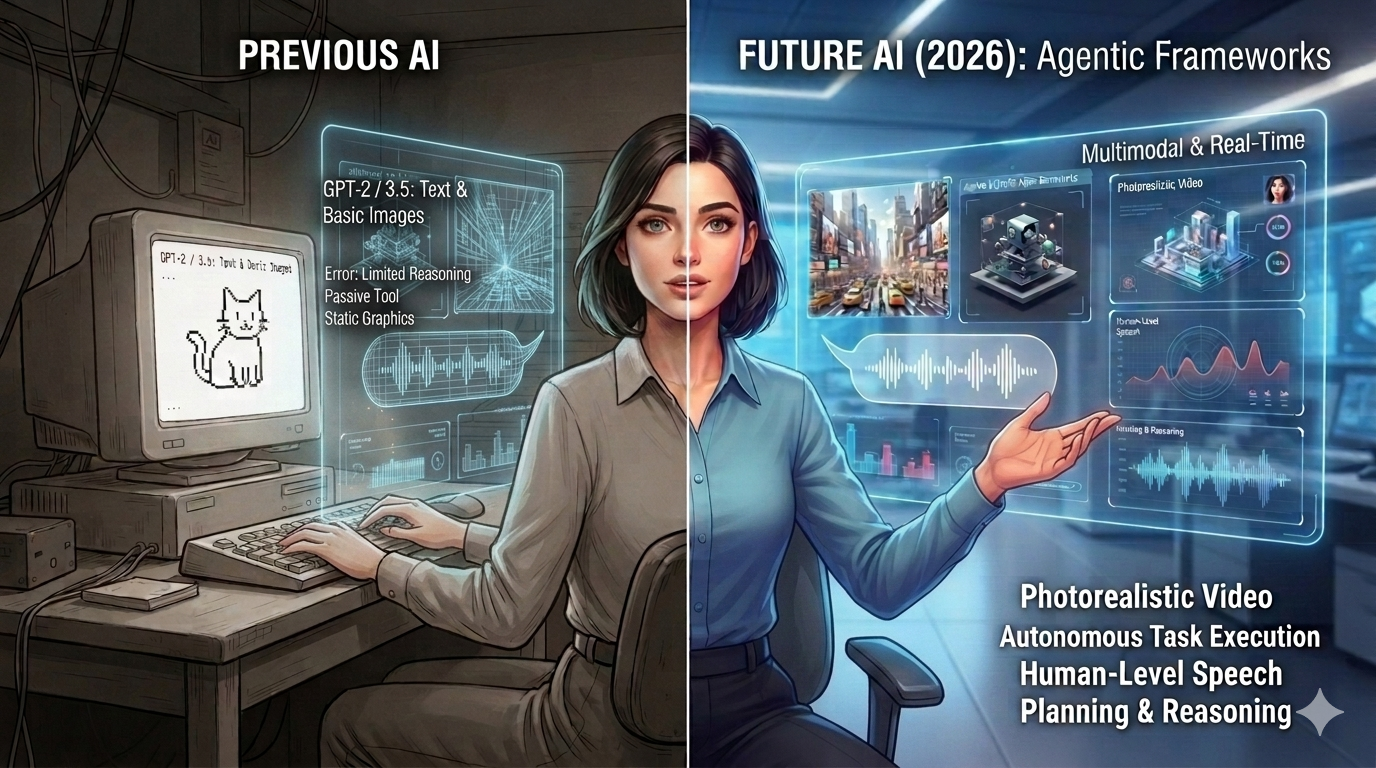
Future of AI: Base State 2026
AI in 2026 is a different beast from what it was just a year ago. Image generati...
 Tech Blog
Why Python Is the Most Used Language in the AI Industry
Python's rise to becoming the language of AI wasn't accidental luck it was the n...
0 Comments
Leave a Comment
No comments yet — be the first to share your thoughts!