 Tech Blog
Future of AI: Base State 2026
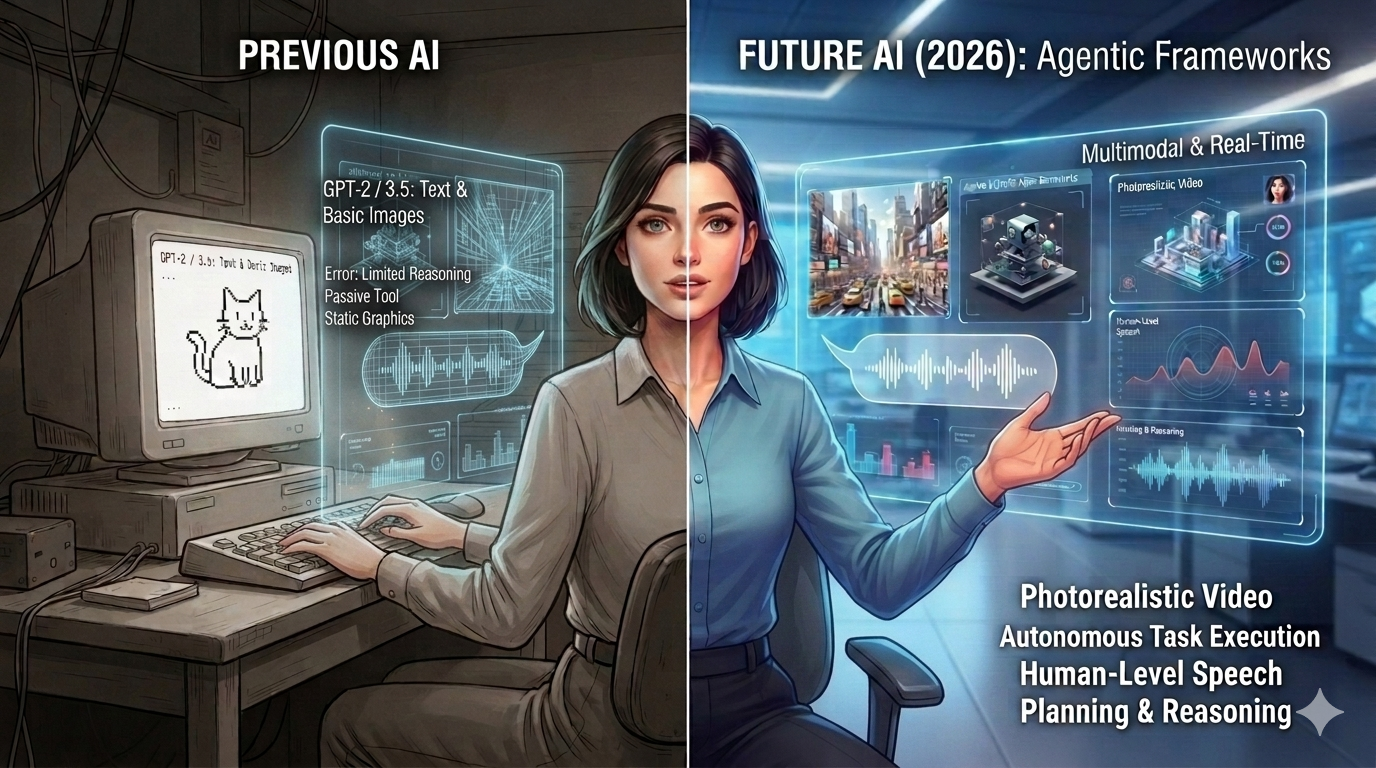
AI in 2026 is a different beast from what it was just a year ago. Image generation now rivals real photography, video generation is producing coherent, usable clips, speech synthesis is nearly indistinguishable from human voice, and agentic frameworks have turned AI from a passive question-answering tool into an active system capable of planning, using tools, and executing multi-step tasks on its own. Multimodality, falling costs, and improving reasoning are pushing this growth even further, eve
When I first heard about AI and actually sat down to try it myself, the thing that impressed me most was text generation. It could write, explain, summarize, and hold a conversation in a way that felt genuinely useful. But if I'm honest, everything else around it felt half-baked images looked distorted, video generation was barely a novelty, voices sounded robotic and unnatural, and the idea of AI "doing tasks" on its own was more marketing than reality.
Fast forward to today, and it's a completely different world. Day by day, AI hasn't just improved it has grown exponentially. What you saw working (or not working) just one year ago has flipped 360 degrees. Models are now reaching a point where AI is being used to design, train, and refine other AI systems almost like it's beginning to build itself. That idea alone, which sounded like science fiction a couple of years back, is now becoming an everyday reality in research labs.
Let's break down where things actually stand in 2026.
1. Image Generation
Image generation has gone from "interesting but obviously fake" to genuinely difficult to distinguish from real photography or professional artwork. Early models struggled with basic things hands, text inside images, consistent lighting, realistic proportions. Today's models handle all of that with far greater consistency, follow detailed prompts with precision, maintain character and style consistency across multiple images, and can edit specific parts of an image without disturbing the rest.
What used to take a skilled designer hours in editing software can now be generated and refined in seconds. This has real implications for design, marketing, prototyping, and creative industries at large.
2. Video Generation
Video generation is probably the area that has seen the most dramatic jump. A year or two ago, AI-generated video meant a few seconds of shaky, inconsistent motion with objects morphing unnaturally. Now, models can generate longer, coherent video clips with consistent characters, realistic physics, camera movement, and scene transitions.
This is no longer just a novelty it's starting to affect real workflows: previsualization for films, ad content, product demos, and even early-stage storytelling, all without a camera crew or studio.
3. Speech Generation
Speech synthesis has crossed a threshold where it's genuinely hard to tell AI-generated voices apart from real human speech. Tone, emotion, pacing, and natural pauses are handled far better than before. Beyond just reading text aloud, voice models can now hold real-time conversations, switch languages, mimic accents, and adjust emotional tone on the fly. This has huge implications for accessibility, customer support, content creation, and real-time translation areas where natural-sounding speech used to be the bottleneck.
4. Complex Agentic Frameworks
This, in my opinion, is the biggest shift of all. Earlier, AI was mostly reactive you asked a question, it gave an answer, and that was the end of the interaction. Now, agentic frameworks allow AI to plan multi-step tasks, use external tools, browse the web, write and execute code, and even coordinate with other AI agents to complete a larger goal.
Instead of just answering a question, AI can now break a task down into steps, figure out what tools or information it needs, execute those steps, and adjust its plan based on what it finds along the way. This is the shift from AI as a "tool you use" to AI as a "system that works alongside you" and it's arguably the biggest leap the field has taken.
What Else Matters
A few more things I think are worth calling out, beyond the four areas above:
- Multimodality is becoming the default, not the exception. Instead of separate tools for text, image, video, and audio, models increasingly work across all of these together understanding an image and responding in speech, or watching a video and reasoning about it in text.
- Cost and accessibility are dropping fast. Capabilities that required massive compute and expensive access a year or two ago are now available cheaply, or even for free, to individual developers and small teams. This is democratizing who gets to build with AI.
- Reasoning is improving alongside generation. It's not just about generating content anymore models are getting noticeably better at multi-step logical reasoning, coding, and problem-solving, not just pattern-matching text.
- Safety and control are struggling to keep pace. As capability grows this fast, the tooling around alignment, oversight, and responsible deployment hasn't always kept up this is one of the real challenges of the current moment.
The One Thing That Still Decides Everything
With all of this progress, there's one thing that's easy to overlook and it's arguably the most important thing of all: your data.
No matter how advanced the model is, AI generates its next output based on the context and patterns it has already seen. If your data isn't structured properly if it's messy, inconsistent, incomplete, or poorly organized you simply cannot expect accurate, reliable results out of it. Everything else can be state-of-the-art: the model, the compute, the framework, the agentic pipeline but if the foundation of data behind it is weak, the output will always reflect that weakness.
AI in 2026 is powerful, fast, and improving every single day. But its intelligence is still fundamentally built on the quality of what you feed it. Get the data right, structure it properly, and everything downstream generation, reasoning, agentic action becomes exponentially better. Get it wrong, and no amount of model power can fix it.
Related Articles
View All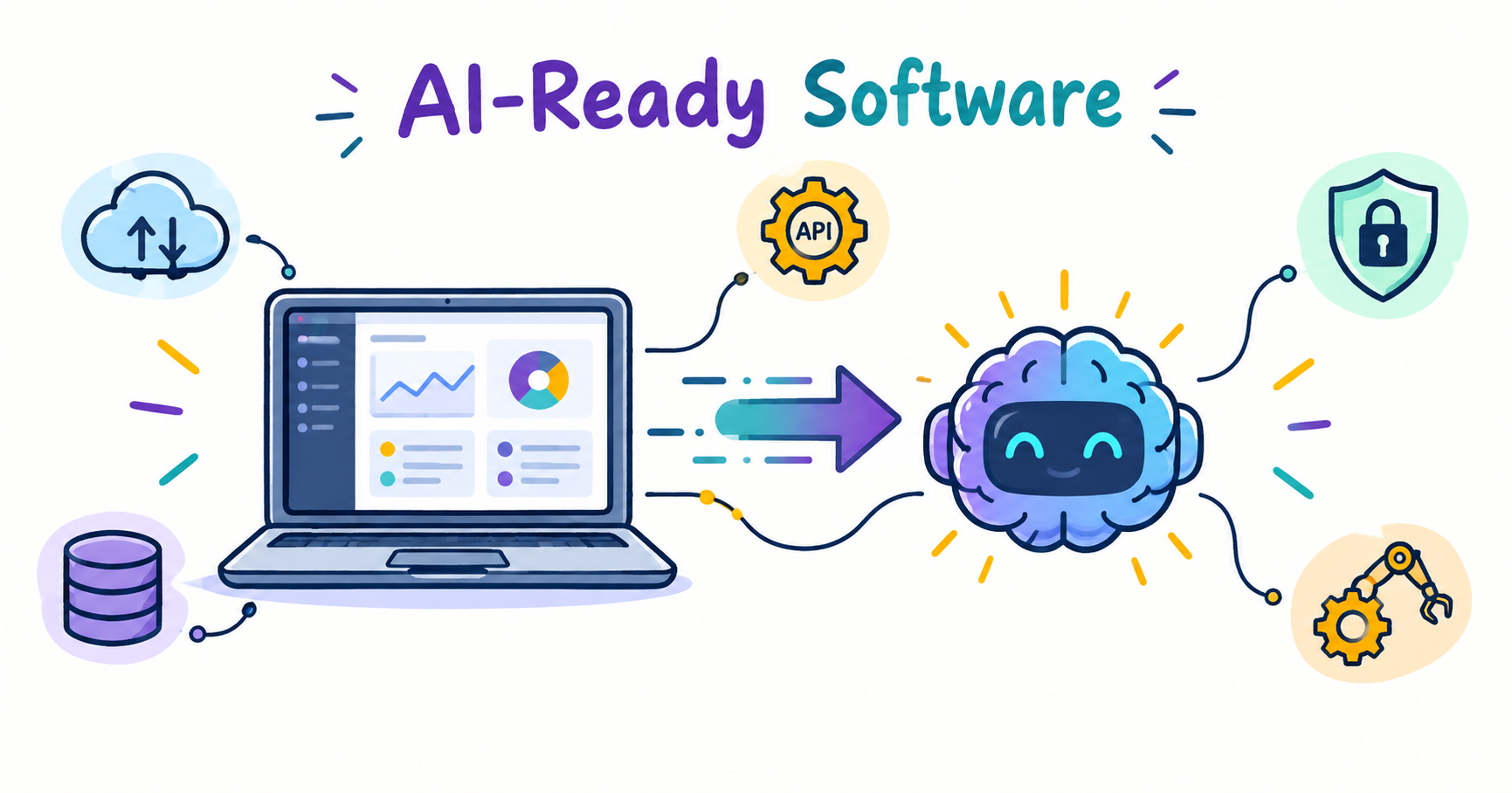 Tech Blog
How to Build AI-Ready Software Without Rebuilding Your Exist...
Businesses do not always need to rebuild their existing software to benefit from...
 Tech Blog
Why Python Is the Most Used Language in the AI Industry
Python's rise to becoming the language of AI wasn't accidental luck it was the n...
 Tech Blog
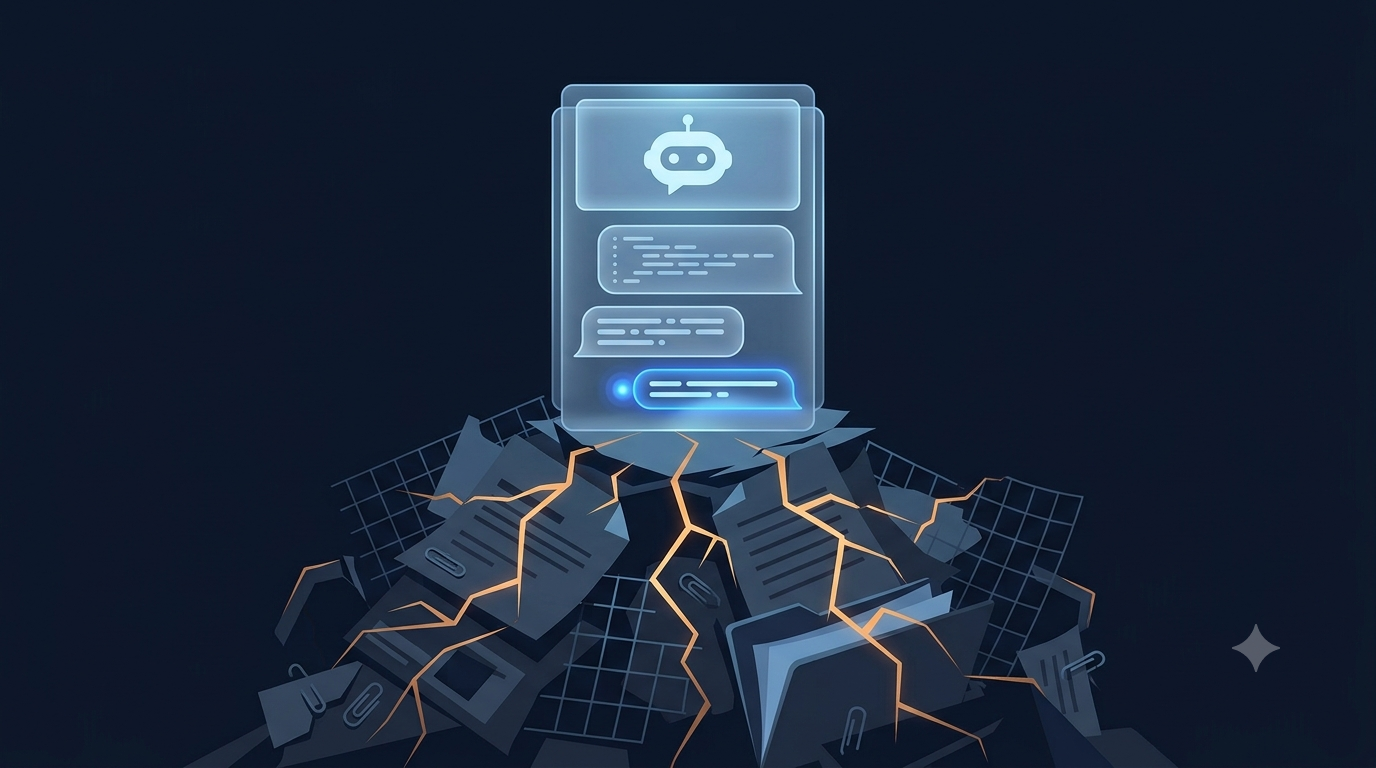
Why Companies Fail to Get Accurate Results From AI :The AI I...
Most companies don't actually have an AI problem. They have a foundation problem...
0 Comments
Leave a Comment
No comments yet — be the first to share your thoughts!